Designing Dreams: How Residential Architects Transform Houses into Dream Homes
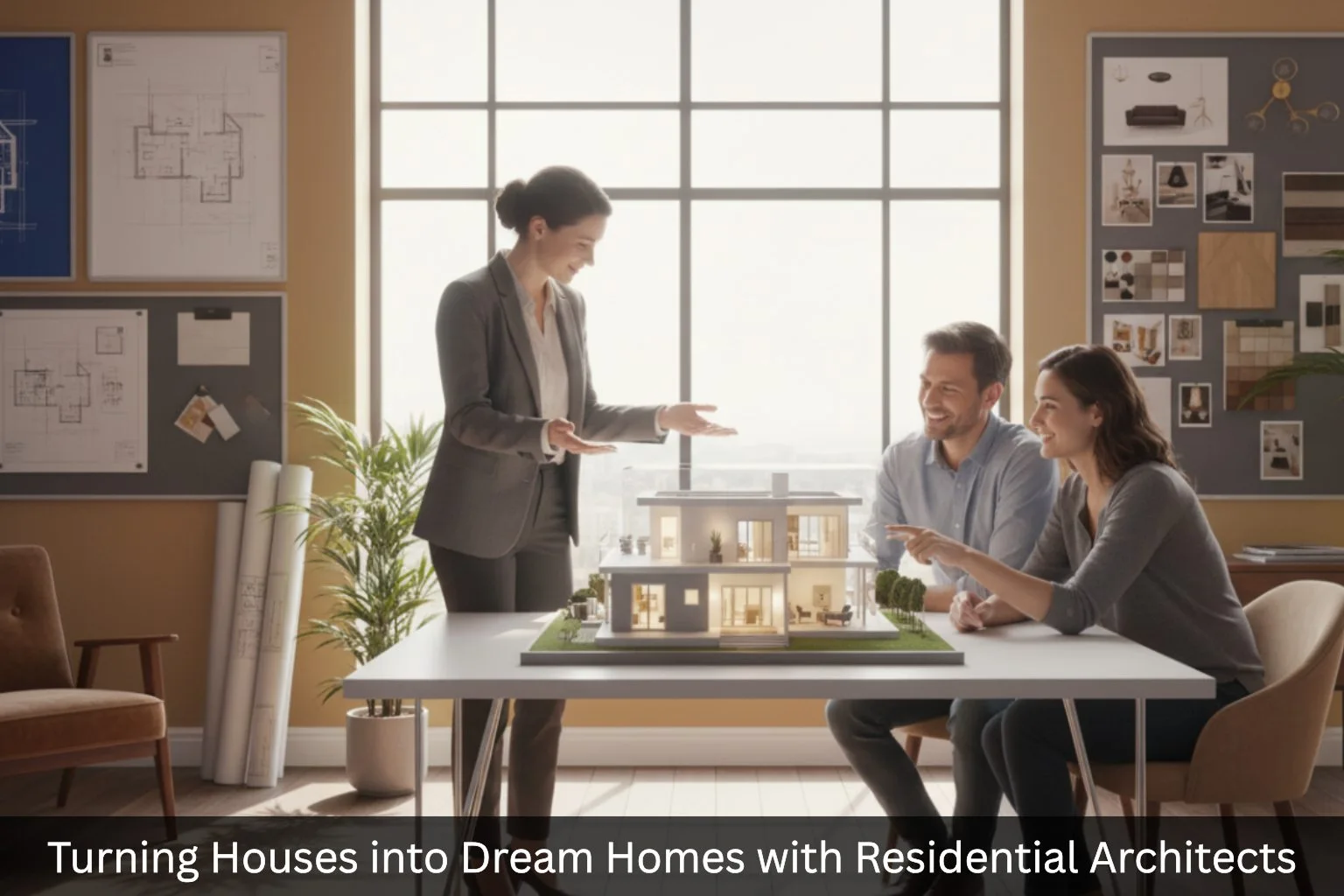
Every person imagines their valuable dream home a little differently. For some, it’s open and airy with clean lines and sunlight streaming through. On the other hand, it’s cozy, layered with warmth and familiar earth texture for some people. However, whatever the vision looks like, bringing it to life truly takes more than inspiration; it also takes thoughtful design.
And, that’s where the architect for residences steps in. With professionals, even the simplest ideas can grow into spaces that feel more natural, functional, and deeply personal. It’s about creating a home that doesn’t just look beautiful but feels like it was meant for you from the very beginning.
What is Residential Architecture?
Residential architecture is the art and science of ensuring that houses are designed to be a perfect blend of beauty, comfort, and practicality. Moreover, it is not merely 4 walls and a roof. More than that, it is also about influencing the way people live precisely within those walls. Even the choice of the lighting and the way in which the sunlight enters the living room is a result of careful planning and considerate design.
In essence, home architecture is actually about designing a house that can impeccably mirror the individuals residing in it. It takes into account the way families relate, the way in which the routine really runs, and how each space will help to create a sense of belonging. The most ideal residential designs are not only those that are beautiful, but also those that are sensitive to nature, weather, and the lifestyle of the house owner.
Modern residential designs have also developed to encompass efficiency, eco-friendly materials and integration with smart homes, with technology and classic design chiefs. It is really the place where creativity and engineering combine to produce functional and emotionally engaging homes.
What Does a Residential Architect Do?
Professional home architects actually bring structure, creativity, and precision to the process of building or even renovating a house. Their work truly goes far beyond sketching designs; they guide every stage of turning an idea into a fully realized home. Here’s what they actually do:
- Understand Your Vision: They start by listening, learning about your lifestyle, needs, and the way you want your home to feel and function.
- Create Conceptual Designs: Using your ideas as a base, they develop initial design concepts, exploring layouts, styles, and materials that align with your goals.
- Plan Spaces Efficiently: They focus on smart space utilization, ensuring rooms flow well, natural light is maximized, and every area serves a clear purpose.
- Coordinate Engineering & Structure: Professional home architects work with structural, electrical, and plumbing consultants to ensure the design is safe, stable, and compliant with codes.
- Select Materials & Finishes: From flooring to fixtures, they help choose materials that suit the budget, climate, and overall design language of your home.
- Oversee the Project: They collaborate with builders, contractors, and vendors, keeping the project on track in terms of quality, budget, and timeline.
- Integrate Technology & Sustainability: Modern architects always include energy-efficient systems, smart home solutions, along with eco-friendly materials in order to create sustainable living spaces.
Read More : How to Choose the Best Architect in Noida for Your Dream Project?
The Difference Between Architects and Interior Designers
A home’s structure is shaped by its architect. They concentrate on the layout, planning, and functionality of the space, how the walls stand, how light flows in, and how the design facilitates daily living. They want to build a strong, balanced framework that is effective and safe.
On the other hand, that structure is given life by interior designers. Colors, materials, furniture, and lighting all influence how the room feels and looks. Interior designers determine a home’s feel, whereas architects determine how it functions. When combined, they turn a building into a place that genuinely feels like home.
Why Architecture Matters in Residential Spaces
The way we live, move, and feel in our homes is influenced by good architecture. Here’s why it matters so much:
- Improves Daily Comfort: From the way you move between rooms to the way light and air naturally circulate, thoughtful layouts and clever design make daily living easier.
- Balances Beauty and Function: Good architecture makes sure that a house is not only aesthetically pleasing but also useful, efficient, and compatible with your way of life.
- Maximizes Space: By effectively using every available inch, well-designed residential architecture gives even the smallest homes a sense of spaciousness.
- Enhances Well-Being: Mood, health, and general comfort can all be impacted by proper ventilation, natural lighting, and flow.
- Builds Emotional Connection: A well-designed home is an expression of who you are; it is cozy, serene, as well as intimate.
- Adds Long-Term Value: Quality design and construction don’t just make life better; they also increase a home’s resale value and sustainability.
Key Steps in Transforming a House into a Dream Home
It takes time to transform a plain home into something that feels genuinely your own. It requires creativity, perseverance, and a solid grasp of how design relates to everyday life. The typical steps involved in designing a home’s architecture are as follows:
1. Planning and Conceptual Design
Every great home starts with a discussion. It’s the place where you can freely express your thoughts about what inspires you, how your family functions during the day, and the types of places you love. Using those fragments, architects create a preliminary concept that begins to form your ideal home.
2. Functionality and Space Planning
More than just appearances, good design considers how comfortable a space is to live in. Flow is a key component of smart modern home design, including how rooms relate to one another, where light enters, and how to utilize every available space without feeling crowded.
3. Accurate Engineering and Structural Design
It’s time to ensure the layout is sturdy after it has been established. While allowing for imaginative details that add character to the house, structural design ensures that the building is sturdy, secure, and long-lasting.
4. Selection of Materials and Finishes
Materials give a house life. Warm wood floors, textured stone walls, or sleek metal accents can all be combined to create a mood that suits your personal style. A home feels unique because of these details.
5. Ambiance and Lighting
The feeling of a house can be totally altered by light. While strategically placed ambient and task lighting provide warmth in the evenings, natural sunlight boosts energy levels during the day. It’s the most straightforward method of creating the ideal atmosphere in any area.
6. Customized Functionalities & Astute Integration
The exciting part, personal touches and smart features, comes last. With features like voice-activated lighting, automated blinds, and concealed storage, contemporary home design combines comfort and technology to make daily life easier and more convenient.
Must Read : Why Hiring a Professional Home Interior Designer in Noida
Benefits of Hiring a Residential Architect
Creating a home’s design requires a significant emotional and financial commitment. A residential architect by your side makes the process easier, more intelligent, and much more satisfying. The following are some actual advantages that have a significant impact:
1. Improved Use of Space
When others fail to see potential, architects are trained to see it. They can make every square foot have a purpose, create visual openness in small layouts, and transform awkward corners into functional nooks.
2. Cost Management and Reduction in Errors
Although it may come as a surprise, employing an architect frequently results in long-term financial savings. Their planning helps them steer clear of design mistakes, pointless alterations, and bad material selections that could later result in costly rework.
3. Robust Legal and Structural Guarantee
A residential architect makes sure your house complies with structural requirements, zoning regulations, and safety codes. Midway through the project, you won’t have to worry about technical difficulties or approvals.
4. Smooth Contractor Coordination
Architects frequently serve as a liaison between the construction team and you. They supervise site work, maintain the design intent, and ensure that the final product lives up to the paper promises.
5. Classic Style and Durability
A well-designed layout never seems dated. Architects enhance your quality of life and increase the resale value of your property by fusing contemporary functionality with classic design.
Popular Residential Architecture Styles
- Modern Architecture: Focuses on clean lines, open layouts, and simplicity inspired by modern residential architecture principles.
- Contemporary Architecture: Reflects current modern architectural trends, blending innovation, sustainability, and adaptability.
- Traditional Architecture: Celebrates classic forms, natural materials, and timeless design rooted in local heritage.
- Minimalist Architecture: Emphasizes simplicity, open spaces, and calm aesthetics with a “less is more” approach.
- Mediterranean Architecture: Features warm tones, arched doors, and terracotta roofs inspired by coastal European homes.
Tips for Choose the Right Residential Architect
Choosing the right residential architect is one of the most important steps in building your dream home. The best residential architects not only design beautiful spaces but also ensure every corner reflects your lifestyle and comfort. Here are some expert tips to help you make the right choice when selecting an architect for houses:
1. Define Your Vision and Budget
Before reaching out to an architect, clearly define your design preferences, home size, and overall budget. This helps you shortlist architects who specialize in projects similar to yours and ensures smooth communication from the start.
2. Research and Compare Portfolios
Browse online portfolios, visit completed projects, and check client testimonials. The best residential architects have a diverse design portfolio that showcases creativity, functionality, and attention to detail.
3. Check Qualifications and Experience
Always verify the architect’s credentials, licenses, and years of experience. Experienced professionals understand design challenges, building codes, and materials better—saving you both time and cost in the long run.
4. Discuss Design Style Compatibility
Every architect has a unique design philosophy. Make sure your chosen architect for houses understands your personal taste—whether it’s modern minimalism, classic elegance, or a sustainable eco-home.
5. Evaluate Communication and Collaboration Skills
Good communication is key to successful projects. Choose an architect who listens carefully, values your inputs, and keeps you updated throughout the process.
6. Understand the Process and Timeline
Ask about design stages, approvals, and expected timelines. A transparent workflow builds trust and helps avoid delays or unexpected changes during construction.
7. Review Fees and Contract Details
Go through the pricing structure and contract terms carefully. Ensure all services—from concept design to supervision—are included in writing to prevent hidden costs later.
8. Visit Ongoing or Completed Projects
Seeing an architect’s work in real life gives you a better sense of their quality, space planning, and attention to finishes. It also helps you visualize what your future home could look like.
Conclusion
Residential architecture aims at designing houses that reflect a sense of stability, ease, and uniqueness. Each decision you make, whether it comes to room design or the incorporation of certain special accents, influences your mood and lifestyle.
Get in touch with Spacescape Architects in case you would like to cooperate with professionals who specialize in modern home design to make your dream come true and understand how thoughtful design can help to transform your dream home into reality.
FAQs Section
1. Why should I hire a residential architect?
A residential architect helps turn your ideas into a functional and stylish home design. They handle layout, structure, and materials while ensuring your space fits your lifestyle and budget.
2. What is the best architecture style for modern residential homes?
Modern homes often have open layouts, large windows, and clean designs. Still, the best style is the one that reflects your personal taste and comfort.
3. What is the average cost of hiring a residential architect?
Most residential architects charge around 5%–10% of the total construction cost, depending on project size and design complexity.
4. How long does it take to design a residential project?
It usually takes a few weeks to a few months, depending on how detailed and customized your home design is.
5. What is the role of a residential architect?
They plan, design, and guide construction to make sure your home is safe, beautiful, and well-balanced in design and function.
6. How do I choose the right architect for my home project?
Check their portfolio, experience, and communication style. Choose someone who understands your vision and can work within your budget and timeline.